Aeroseal Air Sealing
What Is Aeroseal Envelope Air Sealing?
Aeroseal is an automated air sealing system designed to reduce air leakage within a building envelope. Under the BC Energy Step Code, airtightness is a required component of residential construction and builders must demonstrate that a home meets specific air leakage targets. Aeroseal helps meet those required airtightness levels in a controlled and measurable way.
The system locates and seals microscopic gaps using a pressurized application process with a non-toxic, water-based sealant that is durable and GREENGUARD Gold Certified. Instead of relying solely on manual taping and caulking, Aeroseal distributes sealant throughout the space using pressurized air, allowing active air leaks to draw the material directly to the gap, whether visible or hidden.
UL GREENGUARD
Gold Certification
The UL GREENGUARD Gold Certification Standard includes health-based criteria for additional chemicals and requires lower total VOC emissions to ensure products are acceptable for use in environments such as schools and healthcare facilities.
In addition to limiting emissions of more than 360 volatile organic compounds and total chemical emissions, UL GREENGUARD Gold Certified products must comply with the California Department of Public Health Standard Method for the Testing and Evaluation of Volatile Organic Chemical Emissions from Indoor Sources Using Environmental Chambers, also known as California Section 01350.
All certified products undergo review of the manufacturing process and routine testing to ensure minimal impact on indoor air quality.
How the Process Works
Aeroseal connects to the building using a modified blower door system to pressurize the space and distribute a water-based sealing formula.
As air escapes through leaks in the building envelope, it carries sealant particles directly to those openings. The sealant accumulates at the edges of the gap and gradually seals it. Airtightness levels are monitored throughout the process, and results are verified at completion.
The Four-Step Process
Preparation
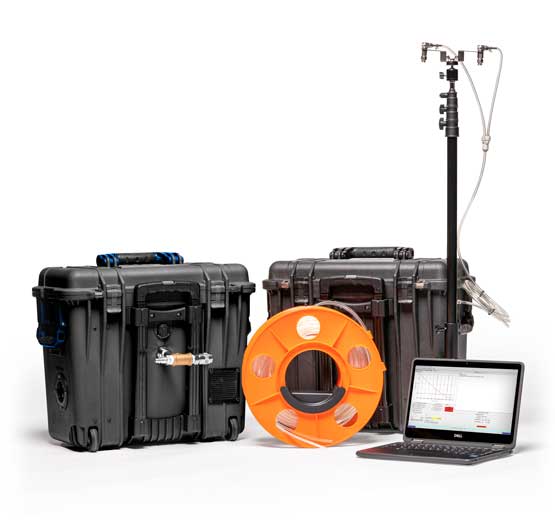
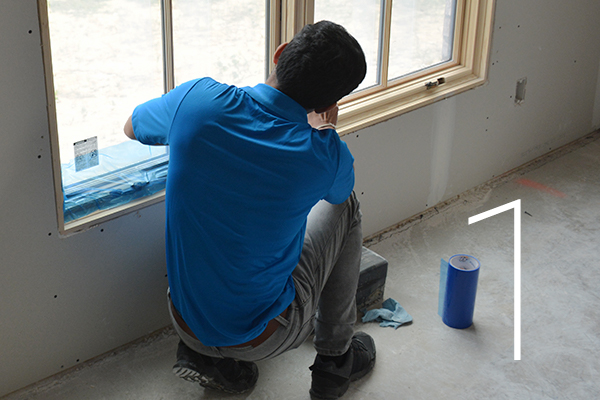
Openings that are not intended to be sealed are covered. Emitters are positioned throughout the space, and the AeroBarrier Connect system is installed, including the blower door, nozzle stations, hoses, fan, and control unit.
Pressurize and Apply
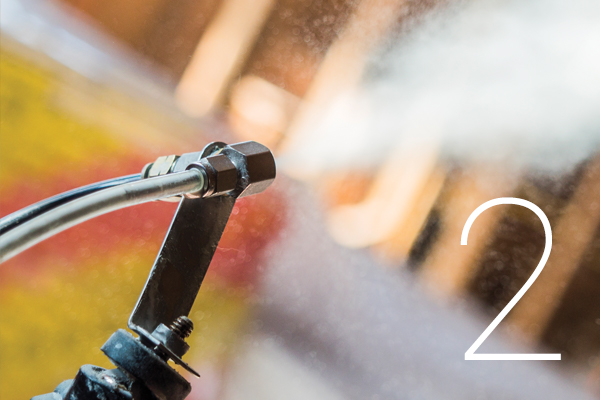
The space is pressurized. A computer-controlled system regulates temperature, pressure, humidity, and sealant distribution during application.
Seal and Monitor
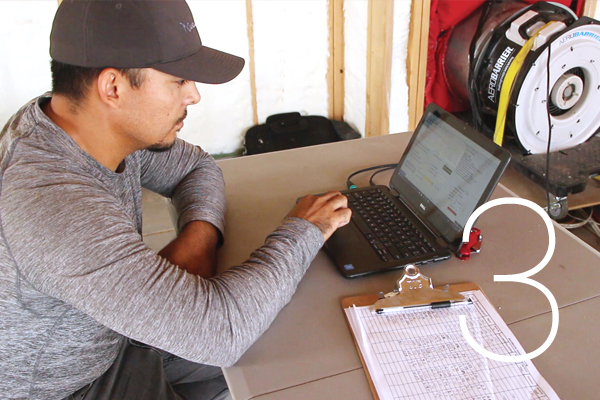
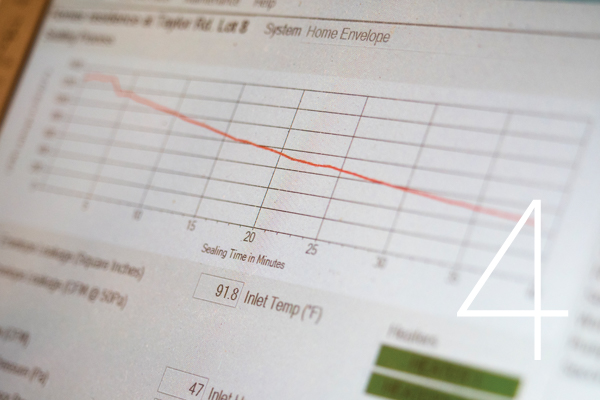
Air leakage reduction is tracked in real time. Desired airtightness levels are achieved and confirmed. A final blower door test verifies results, and a Certificate of Completion documents pre- and post-sealing leakage.
Clean Up
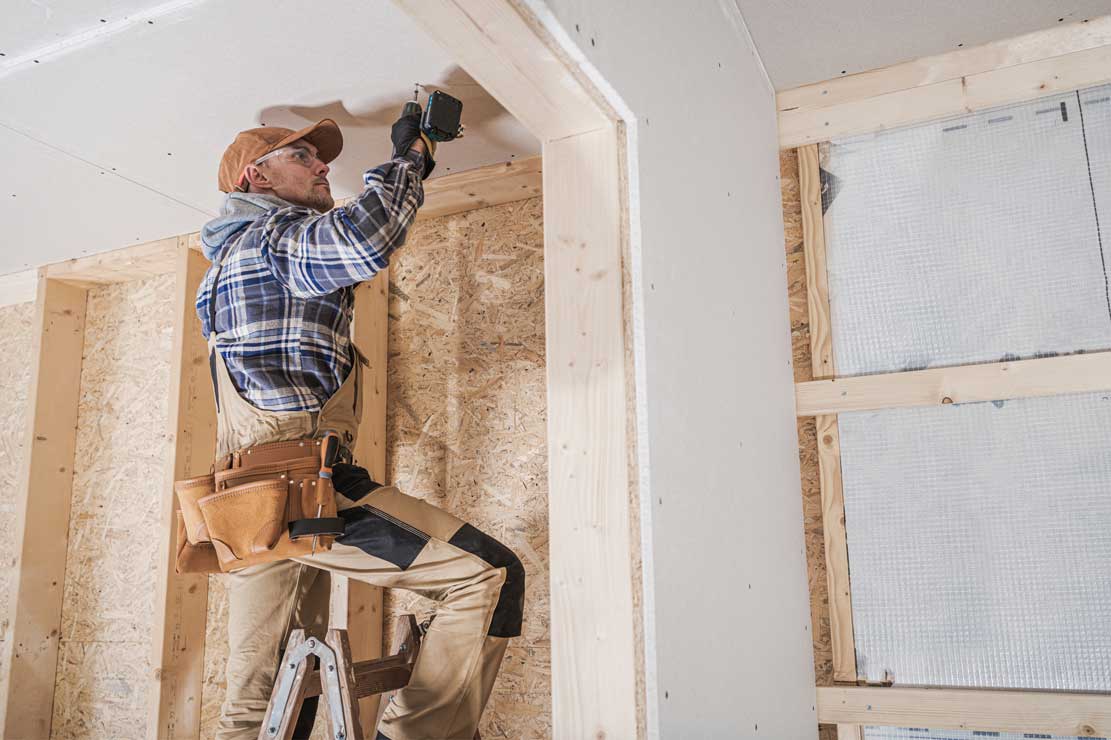
After sealing is complete, work can resume in the space within approximately 30 minutes. Equipment and coverings are removed.
Why Use Aeroseal?
Meeting airtightness targets under the BC Energy Step Code requires a reliable and measurable approach. Aeroseal provides a controlled method for achieving those required air leakage levels with documented results.
For Construction Projects
Helps meet required airtightness targets under the BC Energy Step Code
Supports higher performance programs such as Energy Star, LEED, and Passive House
Reduces reliance on extensive manual air sealing
Lowers the likelihood of a failed blower door inspection
Can influence other envelope decisions by achieving lower air leakage rates
For Overall Building Performance
Proper air sealing contributes to:

Improved energy efficiency

Better indoor air quality
More consistent indoor comfort

Reduced moisture risk

Increased durability

Reduced noise transmission

Fewer pathways for insects and pests
Book a Consultation
Contact Kootenay Airseal to review your build requirements and schedule a consultation.
Book a Consultation